





Your Gut Doesn't Go on Holiday: How Travel Can Affect Your Gut Health
A holiday is often a welcome break from routine. Whether you're relaxing on a Mediterranean beach, discovering a new city or enjoying a staycation closer to home, travel usually brings different foods, later nights and a change of pace.
While these experiences are part of the enjoyment, they also introduce changes that your gut microbiome has to adapt to. The microorganisms living in your digestive tract respond remarkably quickly to changes in diet, sleep, activity and the surrounding environment. Although these shifts are usually temporary, they are a reminder that your gut is closely connected to your everyday habits.1
 Your Gut Microbiome Is Constantly Adapting
The gut microbiome is home to trillions of bacteria, fungi and other microorganisms that live mainly in the large intestine. Together they help digest dietary fibre, produce beneficial compounds known as short-chain fatty acids, support the gut barrier and interact with the immune system.2
Unlike many organs, the gut is in constant contact with the outside world through the foods we eat and the drinks we consume. This makes it highly responsive to changes in our daily routine.
Research has shown that altering the diet can begin to influence the composition and activity of the gut microbiome within as little as 24 to 48 hours.3 Fortunately, the microbiome is also remarkably resilient. For most healthy people, it continues to adapt as eating patterns return to normal after travelling.4
Holidays Often Mean a Different Way of Eating
One of the biggest changes during travel is diet. Breakfast might become pastries instead of porridge, lunch could be eaten much later than usual and evening meals may be richer or accompanied by a glass of wine. Even positive changes, such as enjoying more fresh seafood or seasonal fruit, can alter the balance of nutrients reaching the gut.
Diets rich in a variety of plant foods provide fibres and naturally occurring polyphenols that nourish beneficial gut bacteria. As these fibres are fermented, they produce short-chain fatty acids including butyrate, acetate and propionate. These compounds help maintain the cells lining the intestine and play an important role in supporting immune and metabolic health.5
During holidays, however, fibre intake often falls. Restaurant meals may contain fewer wholegrains, legumes and vegetables than meals prepared at home, while refined carbohydrates, sugary desserts and convenience foods become more common. This does not mean every holiday meal is detrimental, but over the course of a week or two it may reduce the amount of fermentable fibre available to your gut microbes.3
On the other hand, travelling can also broaden the diet. Trying regional vegetables, herbs, fruits and fermented foods introduces a greater variety of plant compounds, which may benefit microbial diversity.
 Travel Can Disrupt More Than Your Diet
Food is only part of the picture.
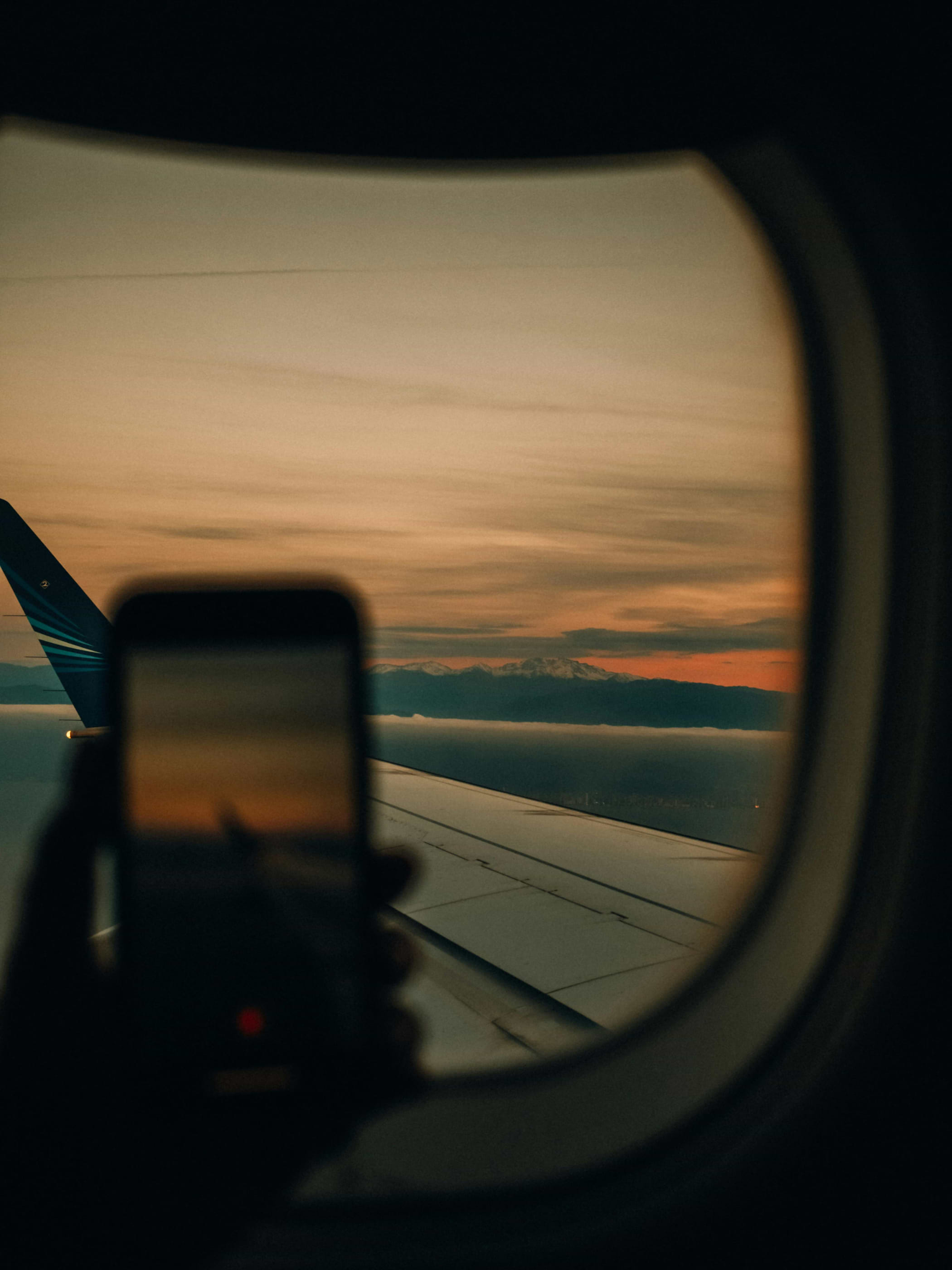
Travelling often affects sleep, physical activity and meal timing, all of which influence the gut. Long flights, unfamiliar beds, late evenings and crossing time zones can temporarily disrupt the body's circadian rhythm, the internal clock that helps regulate digestion, hormone production and metabolism.
There is growing evidence that the gut microbiome also follows a daily rhythm. Certain groups of bacteria fluctuate throughout the day in response to eating patterns and sleep cycles. When these rhythms are disrupted, such as during jet lag or irregular sleep, changes in the microbiome may occur alongside changes in digestive function.6
Even if your holiday does not involve long-haul travel, later nights and sleeping in can still alter your normal routine.
 Why Digestive Changes Are Common When Travelling
Many people notice changes in their digestion while they are away. Some experience constipation after a long journey, while others find their bowel habits become less predictable.
Several everyday factors may contribute, including:
- Reduced fibre intake
- Not drinking enough water, particularly in hot weather
- Sitting for long periods during travel
- Changes in meal timing
- Altered sleep patterns
- Less consistent physical activity
These changes are often temporary and do not necessarily indicate that something is wrong with the gut microbiome. Instead, they reflect how closely digestion is linked to lifestyle and routine.
New Environments Mean New Microbial Encounters
Travelling also exposes us to microorganisms that are naturally present in different environments. These may come from local foods, drinking water, soil, sea water or simply the places we visit.
Most of these microbes are harmless and form part of everyday environmental exposure. Studies have shown that international travel can temporarily alter the composition of the gut microbiome, particularly when travelling between countries with different dietary patterns and lifestyles.4
For healthy individuals, these changes usually settle as normal routines resume.
 Supporting Your Gut Before, During and After Your Holiday
There is no need to avoid local cuisine or follow a restrictive eating plan while travelling. Instead, small habits that help maintain consistency can support your gut microbiome throughout your trip.
Continue to Eat a Wide Variety of Plant Foods
Research increasingly suggests that plant diversity is just as important as the total amount of fibre consumed. People who regularly eat a greater variety of plant foods tend to have a more diverse gut microbiome, which is generally considered a marker of resilience.7
Choosing fruit, vegetables, beans, lentils, herbs, nuts and wholegrains whenever they are available helps provide a broad range of fibres and polyphenols for beneficial gut bacteria.
Stay Well Hydrated
Warm weather, increased activity and air travel can all increase fluid requirements. Drinking enough water supports normal bowel function and helps dietary fibre work effectively.
Get Out and About
Exploring a new destination often means more walking than usual, which is another positive for overall health. Regular physical activity has also been associated with greater microbial diversity, although its effects appear to work alongside, rather than replace, the benefits of a varied diet.8
Maintain Some Familiar Habits
You do not need to follow your normal routine perfectly while on holiday, but maintaining a few consistent habits can help. Eating breakfast, staying hydrated and aiming for regular sleep where possible all support normal digestive function.
Some people also choose to continue taking the same supplements they use at home. Keeping familiar habits in place before, during and after travelling may help avoid unnecessary disruption to your routine.
For those looking to support their gut microbiome alongside a balanced diet, a synbiotic supplement may form part of a consistent daily routine.
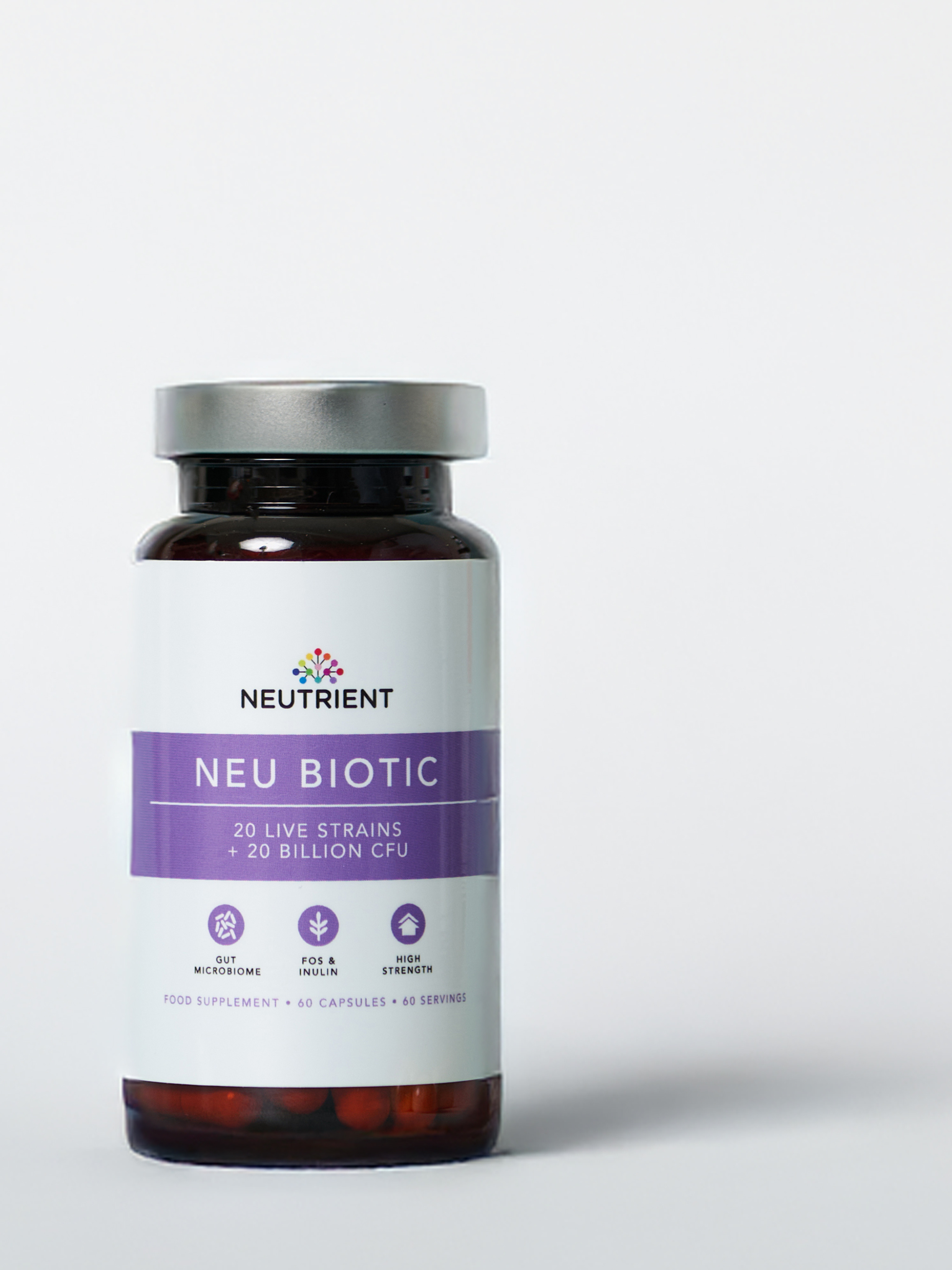
Neutrient NeuBiotic combines 20 strains of live bacteria with the prebiotic fibres fructooligosaccharides (FOS) and inulin. These prebiotics help nourish beneficial bacteria already living in the gut, while the acid-resistant capsule is designed to protect the live cultures as they pass through the stomach. Multi-strain formulations are thought to offer broader benefits for gut health than single-strain products, although this does depend on the strains used and the research goals.10
A supplement is not a replacement for a fibre-rich diet or healthy lifestyle, but it can complement the everyday habits that help support a healthy gut microbiome.
Whether your travels take you overseas or simply a little further from home, your gut microbiome continues to respond to the choices you make each day. Holidays naturally bring variety, and that is often something to be enjoyed. Including plenty of plant foods where you can, drinking enough water, keeping active and maintaining some familiar routines can all help support your gut while you're away. If NeuBiotic is already part of your daily routine, continuing to take it throughout your trip is one simple way to keep at least one healthy habit consistent until you're back home again.
Written by: Jacqueline Newson BSc (Hons) Nutritional Therapy
References
- Zmora N, Suez J, Elinav E. You are what you eat: Diet, health and the gut microbiota. Nature Reviews Gastroenterology & Hepatology. 2019;16:35-56.
- Valdes AM, Walter J, Segal E, Spector TD. Role of the gut microbiota in nutrition and health. BMJ. 2018;361:k2179.
- David LA, Maurice CF, Carmody RN, et al. Diet rapidly and reproducibly alters the human gut microbiome. Nature. 2014;505(7484):559-563.
- Guppy FM, Gweon TG, et al. International travel and the gut microbiota: A systematic review. Journal of Travel Medicine. 2022;29(7):taac086.
- Ríos-Covián D, Ruas-Madiedo P, Margolles A, et al. Intestinal short-chain fatty acids and their link with diet and human health. Frontiers in Microbiology. 2016;7:185.
- Voigt RM, Forsyth CB, Green SJ, et al. Circadian disorganization alters intestinal microbiota. PLoS ONE. 2014;9:e97500.
- McDonald D, Hyde E, Debelius JW, et al. American Gut: An Open Platform for Citizen Science Microbiome Research. mSystems. 2018;3:e00031-18.
- Mailing LJ, Allen JM, Buford TW, Fields CJ, Woods JA. Exercise and the gut microbiome. Exercise and Sport Sciences Reviews. 2019;47(2):75-85.
- Swanson KS, Gibson GR, Hutkins R, et al. The International Scientific Association for Probiotics and Prebiotics (ISAPP) consensus statement on the definition and scope of synbiotics. Nature Reviews Gastroenterology & Hepatology. 2020;17:687-701.
- Chapman CMC, Gibson GR, Rowland I. Health benefits of probiotics: Are mixtures more effective than single strains? European Journal of Nutrition. 2011;50:1-17.
En lire plus

Summer can affect your gut health in more ways than you might realise. By the time August arrives, many people notice their digestion feels a little different. Meals that normally agree with them s...
Il y a quelque chose de magique à débarquer dans un endroit qu'on ne connaît pas. De nouvelles rues à explorer, de nouveaux plats à goûter, des saveurs qu'on n'aurait jamais imaginé cuisiner chez s...