




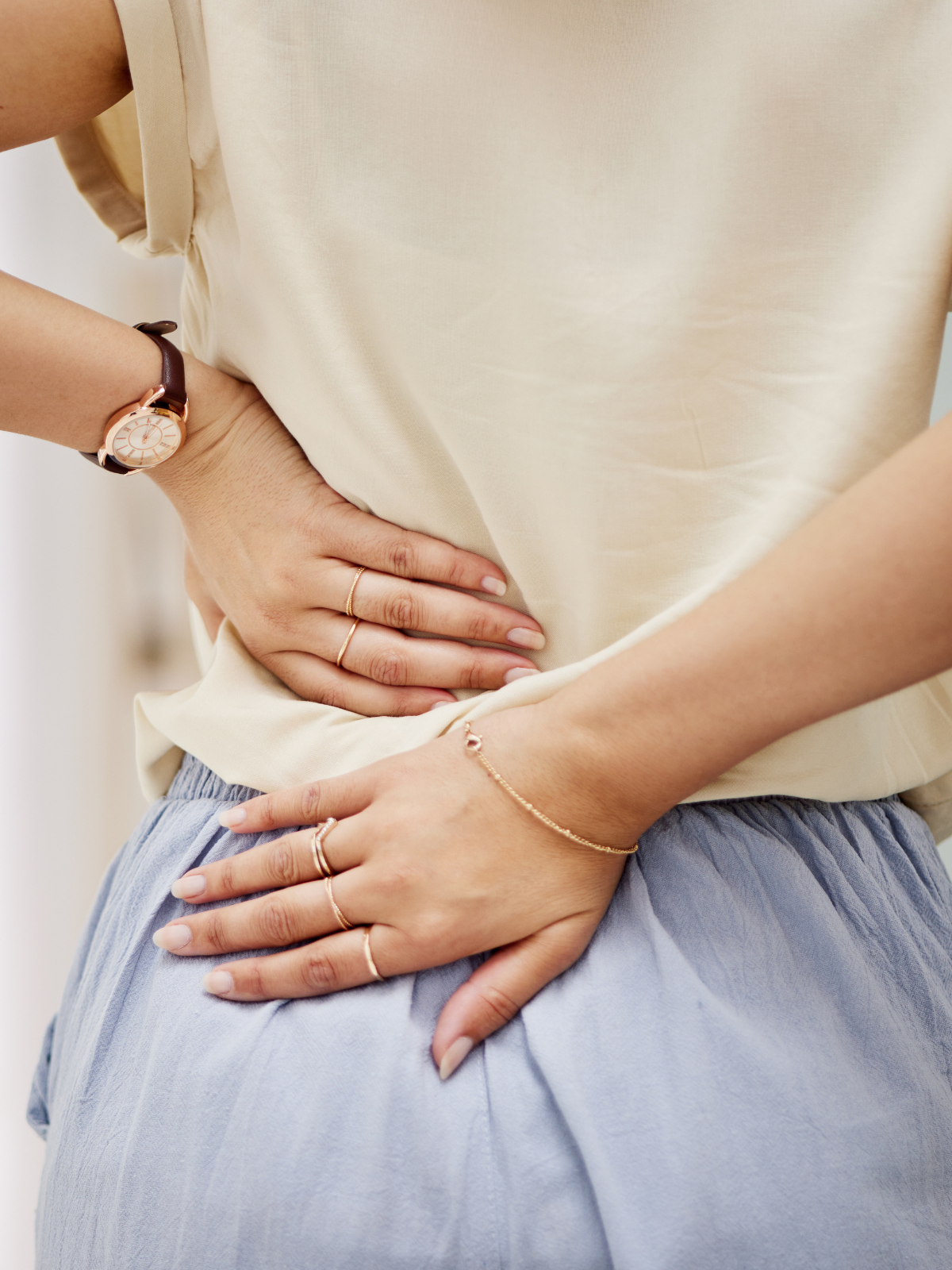
Bones Are Hard, But Life Isn’t: A Guide to Osteoporosis
Let’s talk about bones. But let’s get one thing straight: they are not invincible and they definitely don't come with a lifetime guarantee. Their job is to keep you upright and help you reach the top shelf without twisting yourself into a human knot. They quietly do their job, keeping your bones strong and mobile until one day, maybe, they don’t!
Osteoporosis is a common bone health condition in which bones lose density and strength over time, gradually becoming more brittle. 1 The result is that seemingly trivial everyday movements, like bending to pick up your shopping or lifting a kettle, can suddenly turn into risky business.
Sadly, osteoporosis doesn’t send a warning text. It just chips away at your skeleton until one day, something snaps, literally. For women, particularly after menopause, maintaining bone health becomes even more important as hormonal changes affect bone density. 2
Not Just a Women’s Issue
Before men sigh in relief, here’s the newsflash: bone health matters for everyone. Around one in twelve men over 55 will experience significant bone density loss in their lifetime. 3 Fractures in men are associated with slower recovery and higher complication rates, yet fewer men are routinely screened for bone health. Worse still, men are more likely than women to die after a hip fracture. 4 So, yes, men, your skeletons need attention too.
What’s Really Happening Inside Your Bones
Bones are living tissue, which means they are constantly breaking down and rebuilding themselves. In osteoporosis, the breakdown of bone tissue occurs faster than its rebuilding, resulting in bones that are thinner and weaker. The result? Unstable scaffolding that’s more susceptible to fractures,5 a situation that makes daily tasks more challenging, and threatens independence.
Calcium and Vitamin D: The Cornerstones of Bone Health
For strong bones, two nutrients stand out: calcium and vitamin D. Calcium is the primary building block. Without it, your bones are basically toothpicks holding up a skyscraper. Adequate intake throughout life (around 1,200 mg/day for women over 50) helps support bone health, potentially reducing the risk of fractures. 6
Vitamin D doesn’t directly build bones; it contributes to the absorption and utilisation of calcium and phosphorus. It acts like a project manager, ensuring calcium gets where it needs to go. Without it, calcium meanders aimlessly through your body, never quite reaching the bones that need it.7 The most natural way to get vitamin D is from sun exposure, as UVB rays trigger vitamin D production in your skin. Consider supplementing if you spend a lot of time indoors or live in cloudy climates that make sunshine a seasonal myth.
Food Sources That Support Bone Health
A nutrient-rich diet is the key to healthy bones. In addition to vitamin D and calcium, vitamin C contributes to collagen formation, the framework that supports bone mineralisation. 8
Here’s everything you need to build a bone-supporting plate:
|
Calcium Foods 9 |
Vitamin D Sources 10 |
Vitamin C Foods 11 |
|
Milk |
Salmon |
Berries |
|
Cheese |
Mackerel |
Citrus fruits |
|
Yogurt |
Sardines |
Papaya |
|
Green leafy vegetables |
Herring |
Bell peppers |
|
broccoli |
Tuna |
Broccoli |
|
cabbage |
Sunshine |
Brussels Sprouts |
|
Soya beans |
Fortified milks |
Kiwi |
|
Fortified plant milks |
Egg yolks |
Kale |
Eating a variety of these foods ensures your bones get both the raw materials and the support they need. Mix them, eat them, enjoy them. Your bones will thank you in ways they can’t vocalise.
Supplements: Helpful, But Don’t Get Lazy
A perfectly balanced daily diet isn’t always easy. That’s where a well-chosen supplement can step in as a helpful little back-up for peace of mind. Key nutrients like vitamin D, vitamin K, magnesium, and calcium all contribute to the maintenance of normal bones, particularly for certain groups who may not get enough from diet alone. 12 . And for those interested in getting a little extra support, ingredients such as collagen and creatine are often included in bone and muscle health formulas.
Just remember that supplements are just that: supplements. They work best as part of a healthy, balanced diet and lifestyle. It's also worth noting that taking too much calcium without guidance can cause problems. A healthcare professional can help determine what’s right for you.
The Wider Impact Of Osteoporosis
Fractures are more than just broken bones; they can change how you move, feel, and live. Hip and spinal fractures, in particular, often lead to reduced mobility, ongoing discomfort, and a loss of confidence and overall well-being. 13 For many people, a single fall can trigger a cascade of problems that limit independence and daily activity, making recovery slower and more challenging. That’s why prevention is key. Here are some simple lifestyle habits to support strong bones and prevent osteoporosis:
- Keep moving: Weight-bearing exercises like walking, dancing, or jogging remind your bones they still have a job to do. Add in some strength work with resistance bands or weights to build muscle and protect your skeleton. Yoga or Pilates helps too, improving balance and coordination, so you are less likely to take a tumble.
- Go easy on smoking and drinking: Smoking affects bone-building cells and reduces calcium absorption and too much alcohol can stop new bone from forming properly. According to research, more than 2 drinks a day is associated with lower bone density and higher fracture risk,14 so if you do drink, keep it moderate and give yourself a few alcohol-free days each week.
- Know what you are up against: Factors such as a family history of osteoporosis, early menopause, low body weight, or long-term steroid use can increase your risk of bone loss. If any of these sound familiar, chat with your GP about a bone density scan or personalised prevention plan.
- Prioritise protein. Protein gives bone its structure and provides the scaffolding that calcium attaches to. It helps keep muscles strong, which means better stability and fewer falls. Aim to include some at every meal, such as eggs, fish, poultry, beans, tofu, yoghurt, or nuts. Small changes add up over time.
- Work on balance and stability. It might sound simple, but practising balance is one of the best ways to prevent fractures. Try an online Tai Chi class, a few yoga sessions, or even standing on one leg while brushing your teeth to train your muscles and reflexes. The goal is to stay steady and confident on your feet
Supporting your bones takes more than just luck. It’s a lifelong process shaped by what you eat, how you move, and the nutrients you choose. The right diet, appropriate supplements, and regular activity make bones more likely to behave. It’s not always effortless, but small, consistent choices make a big difference.
Written by: Jacqueline Newson BSc (Hons) Nutritional Therapy
Edited by Alejandra Toro MSc Nutrition and Behaviour
References
1. Ian J. Wallace, Clinton T. Rubin, Daniel E. Lieberman, Osteoporosis, Evolution, Medicine, and Public Health, Volume 2015, Issue 1, 2015, Page 343, https://doi.org/10.1093/emph/eov032.
2. Finkelstein JS, Brockwell SE, Mehta V, Greendale GA, Sowers MR, Ettinger B, Lo JC, Johnston JM, Cauley JA, Danielson ME, Neer RM. Bone mineral density changes during the menopause transition in a multiethnic cohort of women. J Clin Endocrinol Metab. 2008 Mar;93(3):861-8. doi: 10.1210/jc.2007-1876. Epub 2007 Dec 26. PMID: 18160467; PMCID: PMC2266953.
3. Kanis, J. A., et al. (2008). A systematic review of hip fracture incidence and risk factors in men and women. Osteoporosis International, 19(2), 193–207. https://doi.org/10.1007/s00198-007-0431-2.
4. Panula, J., Pihlajamäki, H., Mattila, V.M. et al. Mortality and cause of death in hip fracture patients aged 65 or older - a population-based study. BMC Musculoskelet Disord 12, 105 (2011). https://doi.org/10.1186/1471-2474-12-105.
5. International Osteoporosis Foundation (IOF). (2023). Facts and statistics. https://www.iofbonehealth.org/facts-statistics.
6. Bauer DC. Clinical practice. Calcium supplements and fracture prevention. N Engl J Med. 2013 Oct 17;369(16):1537-43. doi: 10.1056/NEJMcp1210380. PMID: 24131178; PMCID: PMC4038300.
7. Holick, M. F., et al. (2011). Evaluation, treatment, and prevention of vitamin D deficiency: an Endocrine Society clinical practice guideline. Journal of Clinical Endocrinology & Metabolism, 96(7), 1911–1930. https://doi.org/10.1210/jc.2011-0385.
8. CBoyera N, Galey I, Bernard BA. Effect of vitamin C and its derivatives on collagen synthesis and cross-linking by normal human fibroblasts. Int J Cosmet Sci. 1998 Jun;20(3):151-8. doi: 10.1046/j.1467-2494.1998.171747.x. PMID: 18505499.
9. Weaver, C. M., et al. (2016). Calcium plus vitamin D supplementation and risk of fractures: an updated meta-analysis. Osteoporosis International, 27(1), 367–377. https://doi.org/10.1007/s00198-015-3350-1.
10. Holick, M. F., et al. (2011). Evaluation, treatment, and prevention of vitamin D deficiency: an Endocrine Society clinical practice guideline. Journal of Clinical Endocrinology & Metabolism, 96(7), 1911–1930. https://doi.org/10.1210/jc.2011-0385.
11. Carr, A., & Maggini, S. (2017). Vitamin C and immune function. Nutrients, 9(11), 1211. https://doi.org/10.3390/nu9111211.
12. Tang, B. M., et al. (2007). Use of calcium or calcium in combination with vitamin D supplementation to prevent fractures and bone loss in people aged 50 years and older: a meta-analysis. The Lancet, 370(9588), 657–666. https://doi.org/10.1016/S0140-6736(07)61342-7.
13. International Osteoporosis Foundation (IOF). (2023). Facts and statistics. https://www.iofbonehealth.org/facts-statistics.
14. Tucker K L et al. Effects of beer, wine, and liquor intakes on bone mineral density in older men and women. Am J Clin Nutr 2009;89:1188–96.
Read more
As the calendar flips into a new year, like many others, you might be thinking about a fresh start. Maybe a new diet, gym membership or fitness challenge. But what if something really simple could ...
Whether you’re backstage, front row, in the office, or simply living a life that occasionally runs past midnight, your skin knows when you’ve been burning the candle at both impeccably styled ends....