




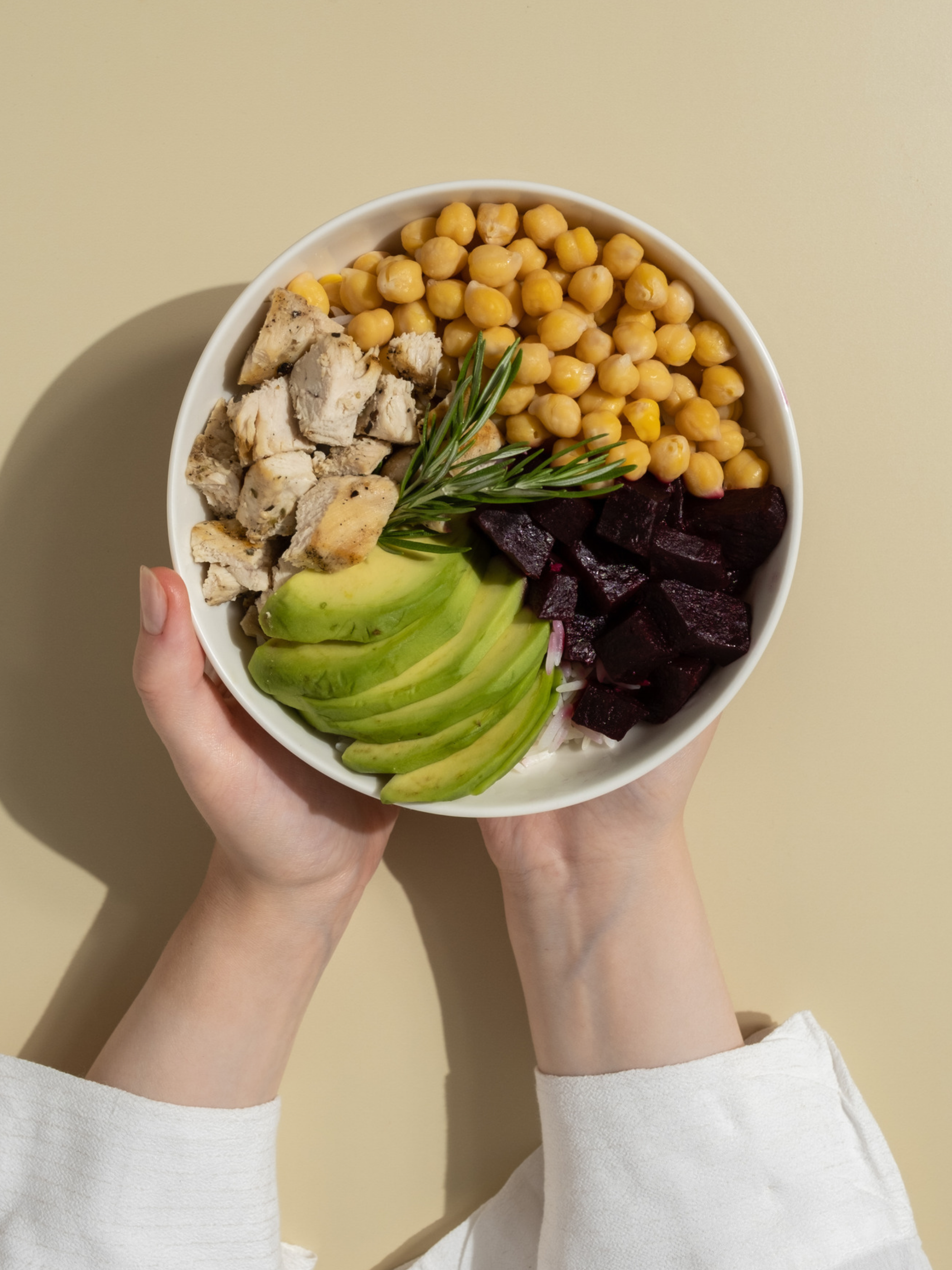
GLP-1 Weight Loss, Skin Changes and Nutrition: What Your Body Needs
What happens beneath the surface when weight comes off quickly.
GLP-1 medicines such as semaglutide and tirzepatide have changed the way many people approach weight loss and weight management. Much of the attention naturally falls on the number on the scales, but significant weight loss can also affect strength, body composition and the way skin and facial contours look.
If you are taking a prescribed GLP-1 medication, adequate nutrition and resistance exercise can help support the transition. Here we take a look at why protein, micronutrients and realistic expectations around skin matter.
 A smaller appetite can mean a smaller nutrient intake
GLP-1 (glucagon-like peptide-1) is a hormone your gut releases naturally after you eat. It acts as a signal that food has arrived. The body's own GLP-1 is broken down within minutes. GLP-1 receptor agonists copy this hormone, but last far longer, so their effects carry on through the day.1 They work in several ways at once:
- In the brain: they act on the areas that control hunger and fullness, helping you feel satisfied with less food.1
- In the stomach: they slow the rate at which food leaves the stomach, so you stay fuller for longer after a meal.2
- In the pancreas: they help release insulin when blood sugar rises after eating, and lower glucagon, a hormone that raises blood sugar.1
- A double action: tirzepatide also mimics a second gut hormone called GIP, which works alongside GLP-1 to help control appetite and blood sugar.3
Together, these effects reduce hunger. In one study, people taking semaglutide ate about a quarter less at an all-you-can-eat lunch than those taking a placebo, and they reported fewer food cravings.4
Eating less is the whole idea. The catch is that vitamins and minerals come from food, so a smaller plate may mean less intake, especially if nausea, constipation, vomiting, or food aversions make eating difficult.
In 2025, four major nutrition and obesity bodies issued a joint advisory flagging nutritional gaps as a real risk and advising people to build meals around nutrient-dense foods and sufficient protein.5
Some common GLP-1 side effects can make this more challenging. In a large semaglutide trial, stomach-related effects such as nausea were common, mostly while the dose was being increased, and this may make eating harder for a while.6
It is not only fat that disappears. When weight drops quickly, some lean mass can be lost too, including muscle. In the same semaglutide trial, close to two-fifths of the weight lost was classified as lean mass.
Protecting muscle during weight loss mainly depends on enough protein and some form of resistance training, within a balanced diet that still covers your nutrient needs even when appetite is reduced.
Table 1. What changes during GLP-1 weight loss
|
What may change |
Why it matters nutritionally |
|---|---|
|
Smaller portions or skipped meals |
It may be harder to meet protein, fibre and micronutrient needs |
|
Nausea, vomiting, constipation or food aversion |
Food choice and meal pattern may become more limited |
|
Weight loss over weeks or months |
Muscle strength and physical function deserve attention, not only body weight |
|
Loss of fat beneath the skin |
Facial contours can look less full, even when skin itself is healthy |
|
Rapid or substantial weight loss |
Skin may not fully retract, particularly after substantial or prolonged weight loss |
 Why GLP-1 weight loss can change skin and facial contours
Skin appearance after weight loss is shaped by several factors, particularly changes in fat, collagen and elastin.
- Loss of facial fat: when fat beneath the skin decreases, especially in the face, features can look more defined or less full, creating a slimmer but sometimes hollowed appearance.
- Rapid change vs skin elasticity: rapid weight loss can outpace the skin’s ability to adapt, so previously stretched skin may not tighten as quickly as the body shrinks.
- Individual factors: age, genetics, smoking, UV exposure, menopausal status, the amount of weight lost, and how long the skin was stretched all influence how much tightening or sagging occurs.
- Collagen and elastin changes: researchers examining skin after major weight loss have found altered organisation of collagen and elastin fibres,7 which may contribute to loose skin and the hollow facial look often referred to in the media as “Ozempic face”.
While no supplement can fully prevent loose skin after rapid weight loss, supporting your body’s own collagen production can help. Collagen isn’t a magic bullet, but it may support skin firmness and elasticity as your body adjusts. Vitamin C plays a key role here.
Vitamin C, the collagen builder
Collagen is the most plentiful protein in your body. In skin, it forms a springy mesh that works with another protein, elastin, to keep skin firm and help it bounce back. Vitamin C is essential for normal collagen formation.
Collagen starts as long chains of amino acids. Before they twist into a strong triple-rope shape, two building blocks (proline and lysine) are adjusted by enzymes that depend on vitamin C. Vitamin C also supports the activity of fibroblasts, the skin cells that make collagen.8
Skin holds far more vitamin C than the blood does, reflecting the important role vitamin C plays in skin.8 In an observational study of over 4,000 middle-aged women, researchers found that those with higher vitamin C intakes were less likely to have a wrinkled appearance.9
Because humans cannot make their own vitamin C and store only limited amounts, a steady daily supply matters, especially when meals are smaller.
Alpha-lipoic acid (ALA): supporting cellular energy and glucose metabolism
But skin is only part of the story. When food intake falls, the body also needs to keep its basic energy systems running.
Almost every cell contains mitochondria, tiny structures that turn food into usable energy. When you eat less, they have less to work with, and the nutrients and compounds that keep these energy pathways running become even more important.
One of these is alpha lipoic acid (ALA), a compound your body makes in small amounts. Inside mitochondria, it helps two key enzymes turn the breakdown products of food into energy.10 R-ALA is the naturally occurring form of ALA, which can be found in foods such as spinach, broccoli and offal.10
ALA is also involved in glucose metabolism. Research suggests that ALA can support insulin sensitivity and glucose uptake, helping cells take up glucose from the bloodstream to use for energy.14 This is one reason ALA has attracted interest in metabolic health and in the pathways involved in glucose regulation.
These effects overlap in part with some of the metabolic outcomes associated with GLP-1 medicines, particularly improved glucose handling and insulin sensitivity, although ALA works through different pathways and does not act like a GLP-1 medication.
ALA has another talent. In the body, it can be converted into dihydrolipoic acid (DHLA), which helps recycle vitamin C back into its active form.11 This makes the two an interesting biochemical team: vitamin C supports collagen formation, while ALA contributes to the recycling of vitamin C.
Supplementing vitamin C when food intake is lower
Food should always come first, but when portions shrink, it can be hard to get enough vitamin C from meals alone. For some people taking GLP-1 medicines, a supplement may be a practical way to help fill that gap, especially when appetite is low and every dose counts.
With standard vitamin C, absorption becomes less efficient as the dose increases, so a large share of what you take may not reach your bloodstream. The gut absorbs vitamin C through special carriers that become saturated, so as the dose goes up, the proportion reaching your bloodstream goes down.12 This is where liposomal formulations come in.
Liposomes are tiny bubbles made from phospholipids, the same type of fat that forms the outer layer of your own cells. Wrapping a nutrient inside a liposome helps protect it on its journey through the gut. This means more vitamin C can reach the bloodstream and, in turn, the tissues that use it, such as skin.
In a 2024 randomised trial, 500 mg of liposomal vitamin C produced 27% higher peak blood levels and 21% greater total absorption than the same dose of standard vitamin C.13
 Where Altrient C and Altrient R-ALA fit in
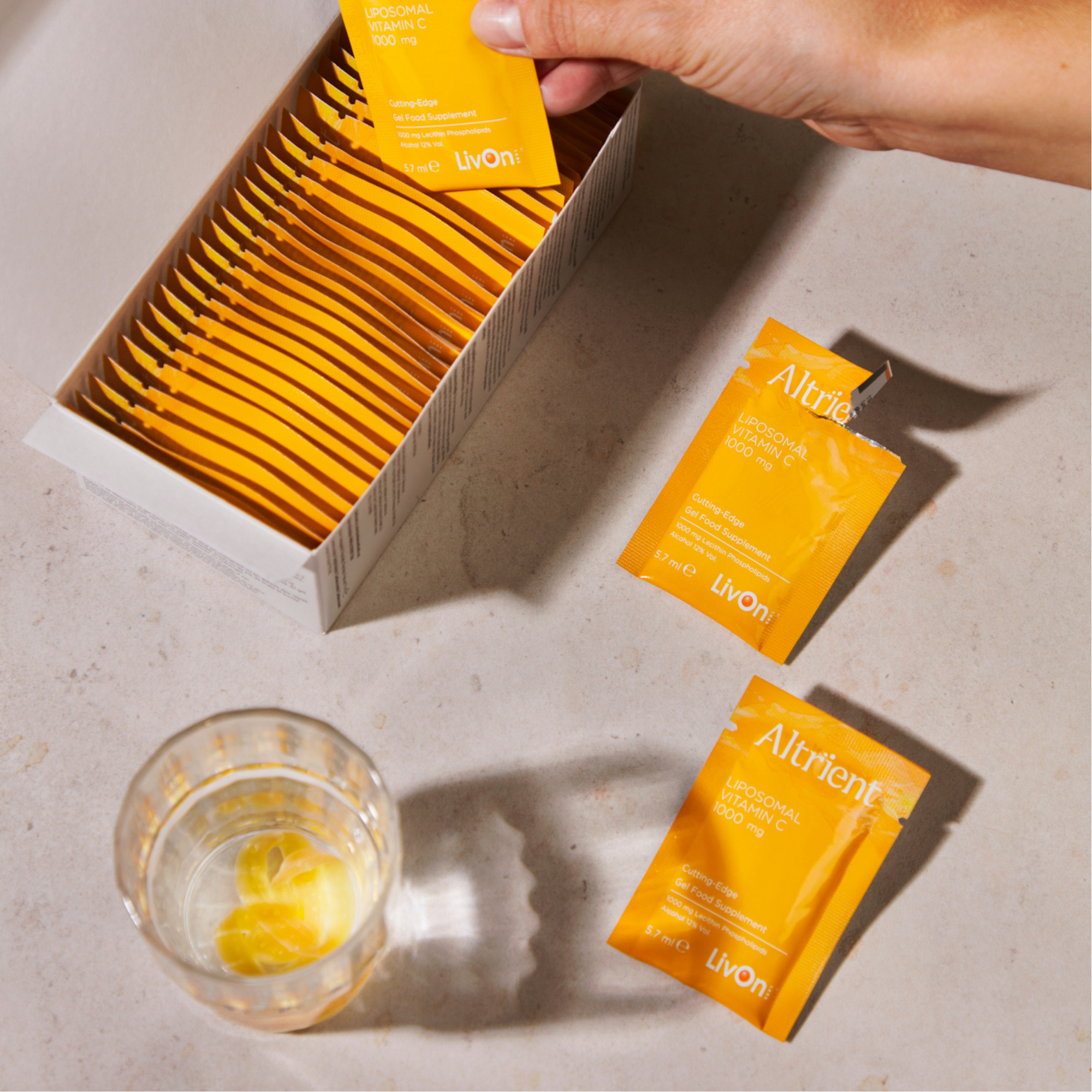
For those who want to supplement their intake of vitamin C and ALA, Altrient C and Altrient R-ALA both use liposomal delivery.
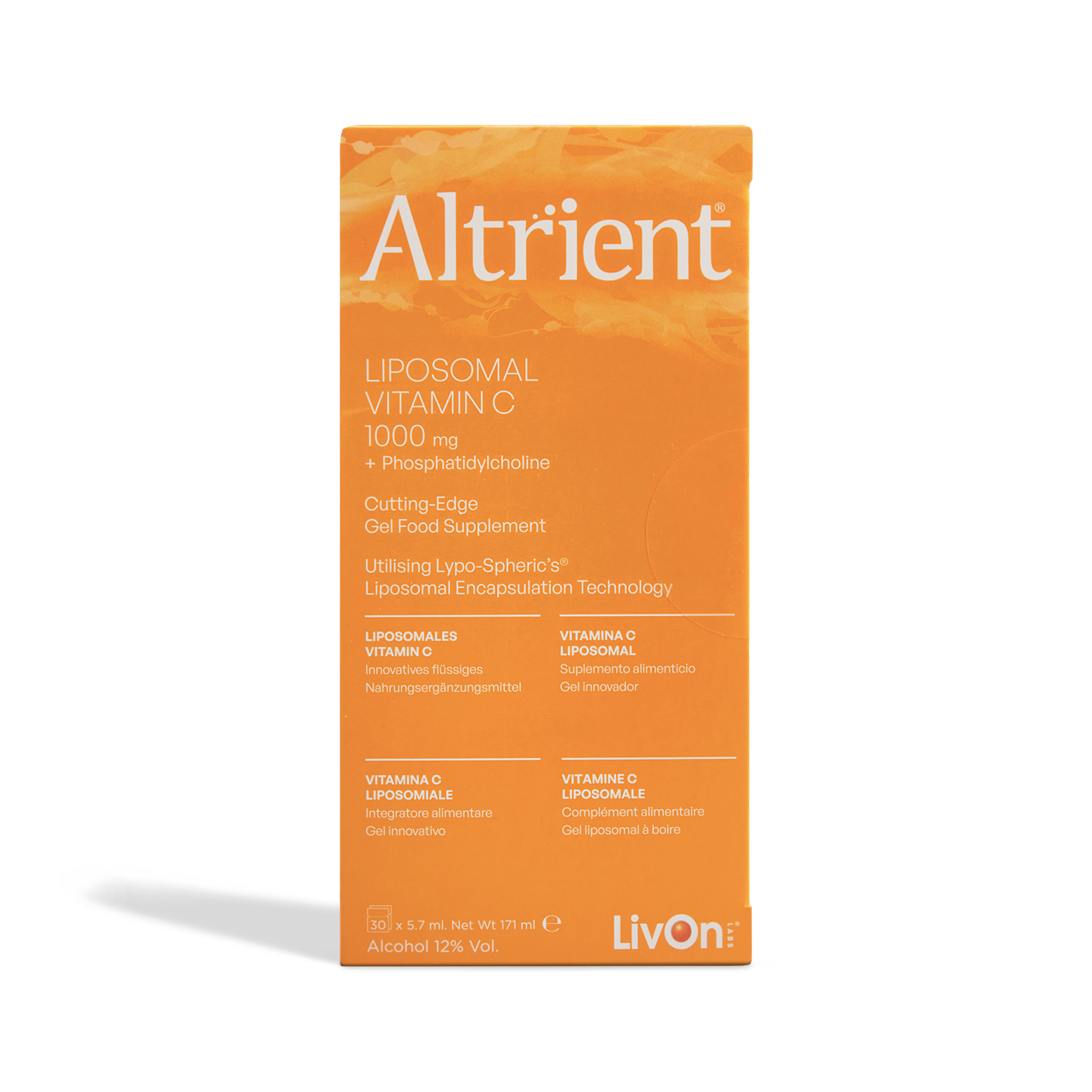
- Altrient C: each sachet provides 1,000 mg of vitamin C, which contributes to normal collagen formation for normal skin function.
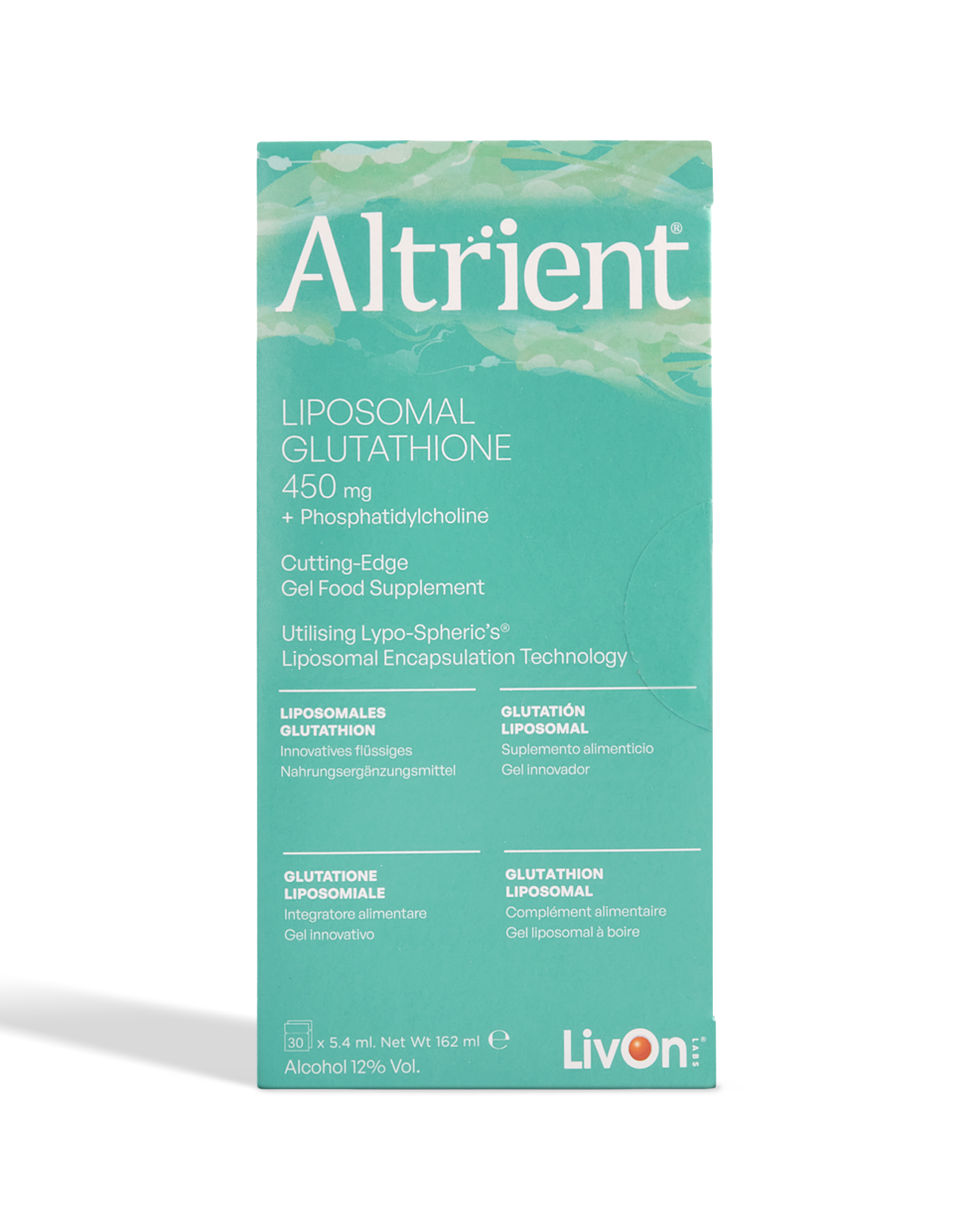
- Altrient R-ALA: each sachet provides 226 mg of R-alpha lipoic acid, the naturally occurring form of ALA.
Both come as single-serve gel sachets that are squeezed into a small amount of water, which may suit days when appetite is low. They are designed to sit alongside a balanced diet and are not part of any GLP-1 treatment plan.
Food first, every time
Food remains the foundation, and even small portions of some foods can provide useful amounts of vitamin C.
Table 2. Vitamin C in everyday foods
|
Food |
Portion |
Vitamin C (approx.) |
|---|---|---|
|
Red pepper, raw |
Half a pepper (80 g) |
100 mg |
|
Orange |
1 medium |
70 mg |
|
Strawberries |
7 berries (80 g) |
45 mg |
|
Kiwi fruit |
1 medium |
60-65 mg |
|
Broccoli, steamed |
Small portion (80 g) |
40 mg |
If appetite is limited, start meals with a protein-containing food, such as eggs, fish, yoghurt, tofu or lentils, then add colourful fruit or vegetables in manageable portions. Protein supplies the amino acids your body uses to make and maintain muscle and other tissues, including collagen.
Looking after the body you are becoming
Losing weight with a GLP-1 medicine is a big change, and your body works hard behind the scenes to keep up. Colourful plant foods, enough protein, adequate fluids and resistance exercise provide a strong foundation during weight loss. Vitamin C supports normal collagen formation, while R-ALA has established roles in mitochondrial enzyme systems and antioxidant recycling. Together, these habits and nutrients support not just fat loss and your skin’s resilience, but also your energy, strength and overall wellbeing as your body changes. How you feel along the way matters as much as what the scales are showing you.
Important: R-ALA and medicines. Alpha-lipoic acid may influence glucose handling. If you have diabetes, monitor blood glucose, or use insulin, sulfonylureas or other glucose-lowering medication alongside a GLP-1 medicine, speak to your prescribing clinician or pharmacist before taking it. The possibility of low blood glucose is particularly relevant where appetite and food intake are already reduced.
FAQs
Can GLP-1 weight loss affect hair?
Some people notice temporary hair shedding during periods of rapid or substantial weight loss. This can happen when the body is adapting to a significant change in energy and nutrient intake. Ensuring adequate protein and a varied diet can help provide the nutrients needed for normal hair growth.
Will loose skin tighten after weight loss?
It may become less noticeable over time, but how much the skin retracts varies from person to person. Age, genetics, the amount of weight lost and how long the skin has been stretched can all influence the outcome.
Does the speed of weight loss affect how the skin looks?
The rate of weight loss can influence how much time the skin has to adapt to changes in body size. However, there is no single rate of weight loss that guarantees a particular outcome, as individual factors also play an important role.
Can nutrition affect how you look during weight loss?
Yes. Losing weight changes more than body fat. Adequate protein, vitamins, minerals and fluids help support normal body functions while your body adapts to the change. A nutrient-dense diet is therefore important even when appetite is reduced.
By Jacqueline Newson BSc (Hons) Nutritional Therapy
References
- Drucker DJ. Mechanisms of action and therapeutic application of glucagon-like peptide-1. Cell Metabolism. 2018;27(4):740-756.
- Hjerpsted JB, Flint A, Brooks A, Axelsen MB, Kvist T, Blundell J. Semaglutide improves postprandial glucose and lipid metabolism, and delays first-hour gastric emptying in subjects with obesity. Diabetes, Obesity and Metabolism. 2018;20(3):610-619.
- Jastreboff AM, Aronne LJ, Ahmad NN, et al. Tirzepatide once weekly for the treatment of obesity. New England Journal of Medicine. 2022;387(3):205-216.
- Blundell J, Finlayson G, Axelsen M, et al. Effects of once-weekly semaglutide on appetite, energy intake, control of eating, food preference and body weight in subjects with obesity. Diabetes, Obesity and Metabolism. 2017;19(9):1242-1251.
- Mozaffarian D, Agarwal M, Aggarwal M, et al. Nutritional priorities to support GLP-1 therapy for obesity: a joint advisory from the American College of Lifestyle Medicine, the American Society for Nutrition, the Obesity Medicine Association, and The Obesity Society. American Journal of Clinical Nutrition. 2025;122(1):344-367.
- Wilding JPH, Batterham RL, Calanna S, et al. Once-weekly semaglutide in adults with overweight or obesity. New England Journal of Medicine. 2021;384(11):989-1002.
- Light D, Arvanitis GM, Abramson D, Glasberg SB. Effect of weight loss after bariatric surgery on skin and the extracellular matrix. Plastic and Reconstructive Surgery. 2010;125(1):343-351.
- Pullar JM, Carr AC, Vissers MCM. The roles of vitamin C in skin health. Nutrients. 2017;9(8):866.
- Cosgrove MC, Franco OH, Granger SP, Murray PG, Mayes AE. Dietary nutrient intakes and skin-aging appearance among middle-aged American women. American Journal of Clinical Nutrition. 2007;86(4):1225-1231.
- Shay KP, Moreau RF, Smith EJ, Smith AR, Hagen TM. Alpha-lipoic acid as a dietary supplement: molecular mechanisms and therapeutic potential. Biochimica et Biophysica Acta. 2009;1790(10):1149-1160.
- Packer L, Witt EH, Tritschler HJ. Alpha-lipoic acid as a biological antioxidant. Free Radical Biology and Medicine. 1995;19(2):227-250.
- Levine M, Conry-Cantilena C, Wang Y, et al. Vitamin C pharmacokinetics in healthy volunteers: evidence for a recommended dietary allowance. Proceedings of the National Academy of Sciences USA. 1996;93(8):3704-3709.
- Jäger R, Purpura M, Tinsley GM, Godavarthi A, Bhaskarachar D. Liposomal delivery enhances absorption of vitamin C into plasma and leukocytes: a double-blind, placebo-controlled, randomized trial. European Journal of Nutrition. 2024;63(8):3037-3046.
- Jacob S, Ruus P, Hermann R, et al. Oral administration of RAC-alpha-lipoic acid modulates insulin sensitivity in patients with type-2 diabetes mellitus: a placebo-controlled pilot trial. Free Radical Biology and Medicine. 1999;27(3-4):309-314.
Read more
Why the sunshine vitamin needs a partner this autumn, and why the way you take it matters too. As the clocks go back and the evenings draw in, vitamin D becomes a familiar autumn topic. In the UK, ...

There is something slightly odd about the way we think about immunity. We tend to notice it only when something goes wrong. One day you are fine. The next, someone sneezes near you on the train, yo...