


Why You Feel Stressed: The Hidden Role of Nutrient Depletion
Wellness calendars give us a moment to pause and reflect, and we are surrounded by more advice on how to manage stress than ever before. Yet despite the guided meditations, the digital detoxes, and the self-care routines, many of us are still managing more stress than we would like to admit.
Ask most people how they cope and they will say the same things: cut back on caffeine and alcohol, try meditation, and get more sleep. And of course, all of these things can make a difference. But there is another important factor that almost nobody considers and it might be the reason you are still struggling, no matter how many healthy habits you try to follow.
The problem is not just in your mind. It is in your cells. And the missing link is nutrients.
You’re Not Burned Out - You’re Running on Empty
When your body experiences stress, it triggers a complex chain of physical responses. Your adrenal glands release cortisol and adrenaline, your heart rate climbs, your muscles tighten, and your nervous system shifts into a heightened state of alert. All of this takes energy and nutrients.
Crucially, the stress response itself has a cost. The very process of being stressed burns through your body’s supply of essential vitamins and minerals at an accelerated rate. Research has shown that prolonged stress depletes essential micronutrients, disrupting the physical processes your body needs to function and to cope.¹
This creates a self-perpetuating cycle: you’re under pressure, your nutrient stores fall, and lower nutrient levels make it harder for your body to manage that pressure, which depletes your stores further.
The Key Nutrients Depleted By Stress

Magnesium:
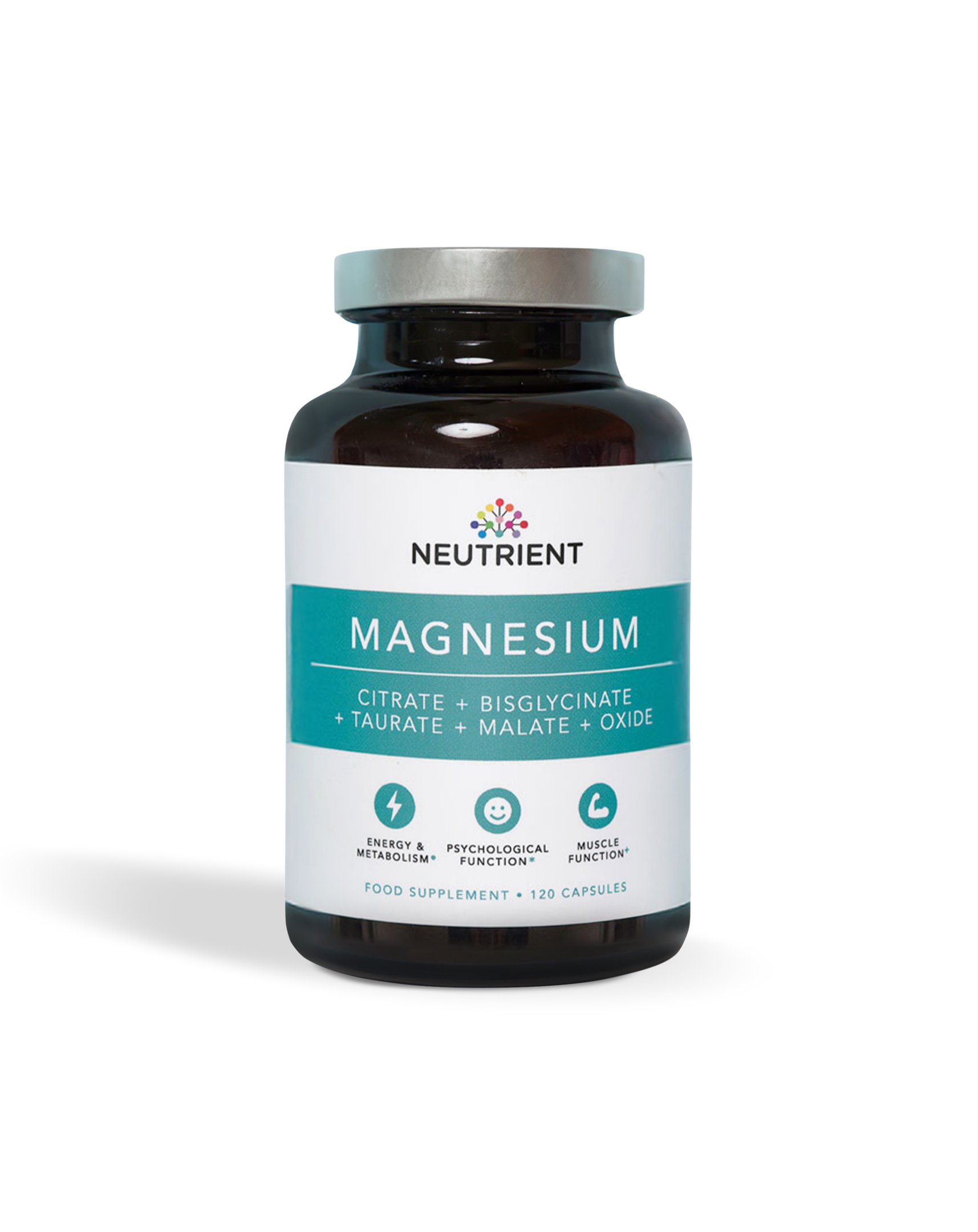
Magnesium is involved in over 300 chemical reactions in the body. It contributes to normal energy production, muscle function, and nervous system function. It also plays a well-documented role in supporting normal psychological function, one of the reasons it is so closely linked to how we feel under pressure.
The problem is that stress causes the body to lose more magnesium through urine, steadily draining your stores. Evidence suggests that exposure to stress, both psychological and physiological, may contribute to reduced magnesium levels in the body.² What makes this especially relevant is that magnesium deficiency is already widespread, even before stress enters the picture.
Worth exploring: Altrient Liposomal Magnesium — a delivery form that has been studied in relation to nutrient transport in the body.

Vitamin C:
Vitamin C is most commonly linked to immune health, and rightly so. But it also plays a wider role in how your body copes day to day, including supporting normal energy metabolism and helping to protect cells from damage caused by oxidative stress.
Your adrenal glands hold some of the highest concentrations of vitamin C found anywhere in the body.3 Studies have shown that when the stress response is triggered, vitamin C is released alongside cortisol. 4 The harder and more often your body responds to stress, the more vitamin C is used up in the process. Unlike most animals, humans cannot make their own, and during periods of chronic stress, standard dietary intake is often insufficient to keep pace.
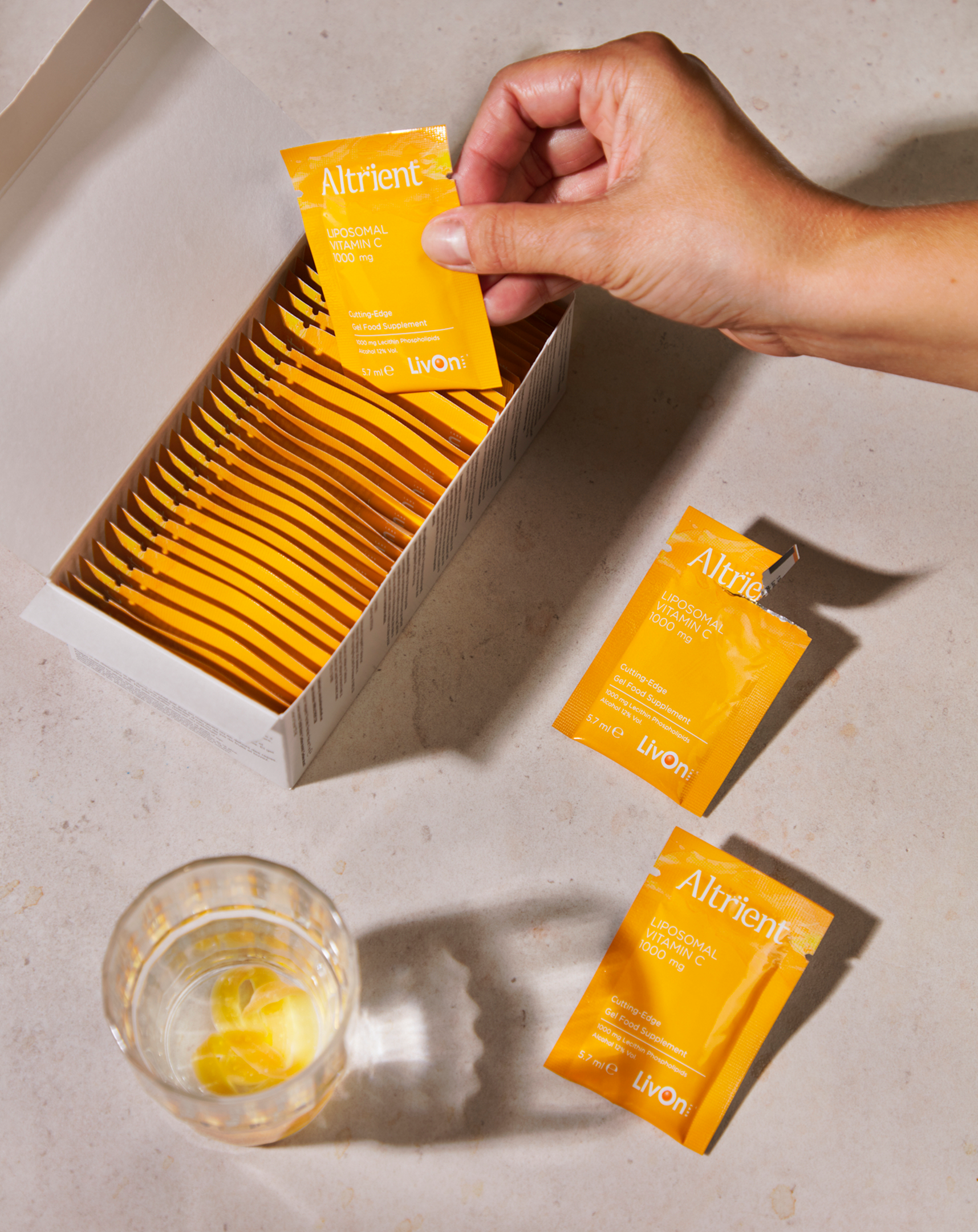
Worth exploring: Altrient C — the original liposomal vitamin C, clinically studied and designed to maximise absorption and support daily nutrient intake.
B Vitamins:
The B vitamin family is broad, but its relationship with how the body copes during challenging periods is well established. Across the group, individual B vitamins help to support normal nervous system and psychological function, whilst also helping to reduce tiredness and fatigue, the areas that tend to suffer most when life feels overwhelming.
The challenge is that B vitamins are water-soluble, meaning the body does not store them. During periods of chronic stress, demand rises sharply while the ability to get enough from food alone often falls short. The result can be a drop in energy levels, irritability, difficulty concentrating, and mood changes — symptoms that are often blamed on stress alone, when the real issue may be a shortfall in the very nutrients the body is burning through most rapidly.⁵
Vitamin B5 deserves particular attention, as it contributes to normal synthesis of steroid hormones and key neurotransmitters, while B6 helps regulate hormonal activity and together with B12, supports normal nervous system function. This is why the form in which B vitamins are taken matters as much as the dose.
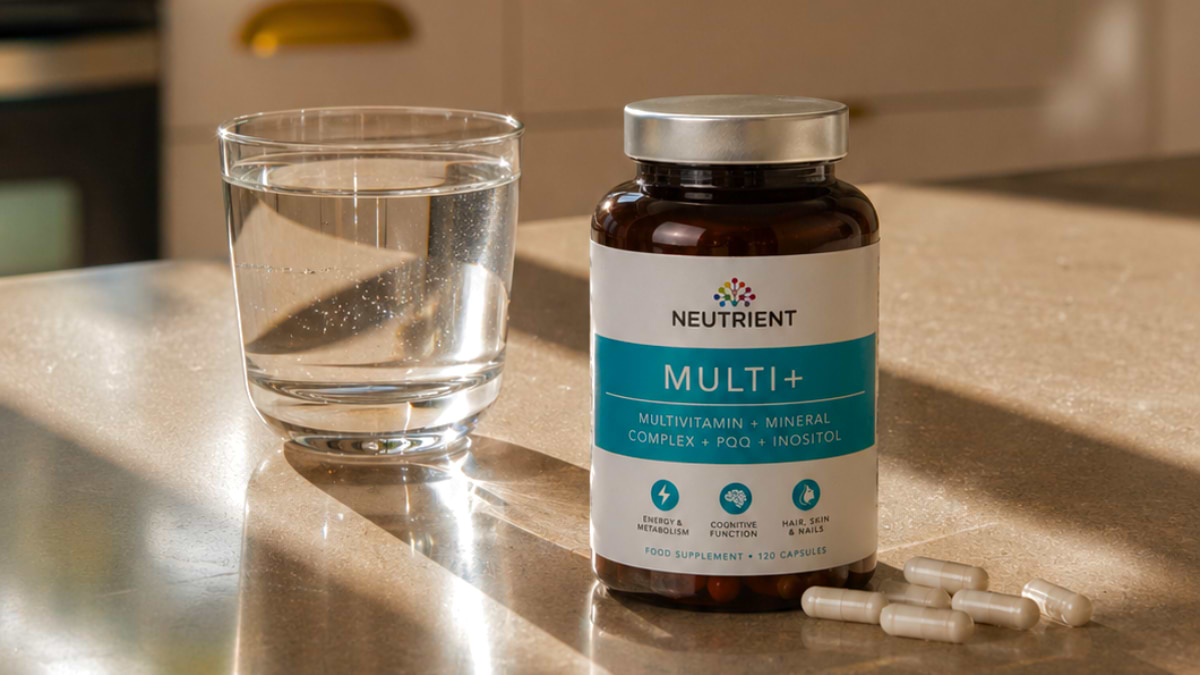
Worth exploring: Neutrient Multi+ delivers the complete family of B vitamins in their bioavailable, body-active forms, which means they are ready for the body to use straight away in doses high enough to provide meaningful support. Combined with a full spectrum of foundational nutrients that work synergistically alongside the B vitamins, it offers comprehensive nutritional support in a single daily supplement.
Why Regular Supplements May Not Be Enough During Stress
What’s often overlooked is that stress doesn’t just deplete nutrients; it can also affect how well you absorb them. When the body enters a stress response, digestion becomes a low priority. Blood flow shifts away from the gut and towards the muscles and vital organs. This response is designed to move you rapidly away from danger, a great help in the face of immediate physical threats, but less suited to the sustained pressures of modern life, such as ongoing work demands.
Over time, chronic stress may also influence the balance of bacteria in the gut, which plays an important role in the absorption and utilisation of nutrients. Standard tablets and capsules are broken down through normal digestive processes, the same processes that can be compromised during prolonged periods of stress.
Liposomal supplements work differently. They enclose nutrients within tiny phospholipid layers, similar to the materials found in cell membranes, helping to protect nutrients as they pass through the digestive system and supporting their delivery in the body.
For nutrients like vitamin C and magnesium, where dose and absorption efficiency are particularly critical during stress, liposomal delivery offers a practical advantage. For a broad-spectrum multivitamin, what matters most is that the nutrients are present in their bioavailable, body-active forms, meaning the body can put them to work without unnecessary conversion steps.
Key Nutrients to Support Your Body During Stress
Supporting your nutrient levels does not replace the value of good sleep, regular movement, or taking time out. But it does give your body a stronger foundation to work from.
1. Think about magnesium. Many people do not get enough from their diet. Magnesium contributes to normal psychological function, normal energy levels, and normal nervous system function. Among the different forms available, Magnesium L-Threonate stands out as the form scientists have been most curious about when it comes to how magnesium behaves in the nervous system.
2. Keep your vitamin C levels topped up. Vitamin C contributes to normal immune function and helps protect cells from oxidative stress. During long periods of pressure, your body uses it faster than usual, and diet alone is often not enough to keep up. A high-quality liposomal form is worth considering for efficient absorption.
3. Don’t overlook your B vitamins. B vitamins are involved in several key processes in the body, and because they are not stored in significant amounts, regular daily intake matters, particularly during more demanding periods.
4. Think about how you supplement, not just what you take. During periods of stress, the body may absorb standard supplements less efficiently. For key nutrients like vitamin C and magnesium, liposomal delivery offers a practical advantage. For your B vitamins and broader nutritional support, choosing supplements that use body-active, bioavailable forms ensures the body can utilise what you are taking without additional conversion.
Maybe what you should be reflecting on is not just how you manage stress, but whether your body is sufficiently resourced to deal with it. Making sure you have enough magnesium, vitamin C, and B vitamins during demanding periods is not a luxury. It is good, basic nutrition. And choosing a form your body can actually absorb makes every difference.
Written by: Jacqueline Newson BSc (Hons) Nutritional Therapy
References
1. Lopresti, A.L. (2020). The Effects of Psychological and Environmental Stress on Micronutrient Concentrations in the Body: A Review of the Evidence. Advances in Nutrition, 11(1), 103-112. https://pmc.ncbi.nlm.nih.gov/articles/PMC7442351/
2. Pickering, G., Mazur, A., Trousselard, M., et al. (2020). Magnesium Status and Stress: The Vicious Circle Concept Revisited. Nutrients, 12(12), 3672. https://doi.org/10.3390/nu12123672
3. Chang R. Human adrenal glands secrete vitamin C in response to adrenocorticotrophic hormone. The American journal of clinical nutrition. 2007; doi:10.1093/AJCN/86.1.145
4. Padayatty, S.J., Doppman, J.L., Chang, R., et al. (2007). Human adrenal glands secrete vitamin C in response to adrenocorticotrophic hormone. American Journal of Clinical Nutrition, 86(1), 145-149. https://doi.org/10.1093/ajcn/86.1.145
5. Beglaryan, M., et al. (2024). Vitamin C supplementation alleviates hypercortisolemia caused by chronic stress. Stress and Health. https://doi.org/10.1002/smi.3347
Mentioned in this blog